
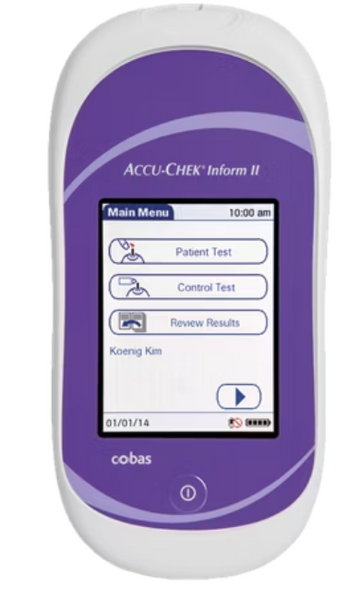
POC Glucose Testing
4th Dec 2025
POC Glucose Testing: Fast, Accurate Blood Glucose Results at the Point of Care
This article is for informational purposes only. We do not sell Accu-Chek products or any other POC glucose devices. All trademarks and brand names mentioned, including Accu-Chek, are the property of their respective owners and are used here strictly for educational and descriptive purposes.
What Is POC Glucose Testing?
POC glucose testing (Point-of-Care glucose testing) refers to measuring blood glucose directly at the patient’s bedside rather than sending samples to a central laboratory. This method provides rapid, actionable resultscritical for managing patients who require close glucose monitoring, such as newborns, diabetic patients, surgical patients, and those in intensive care.
As hospital systems face increasing pressure from rising diabetes rates and high patient loads, POC glucose solutions have become essential tools to support quick diagnosis and safe therapeutic decisions.
Why POC Glucose Testing Is Essential in Hospitals
Consistent and accurate glucose control is vital for preventing complications such as hypoglycemia, hyperglycemia, and diabetic emergencies.
POC glucose solutions offer:
1. Immediate Clinical Information
Results are available within seconds, enabling clinicians to make fast, informed decisions.
2. Better Patient Safety
POC glucose meters help identify dangerous glucose fluctuations before they turn into life-threatening events.
3. More Efficient Workflows
Nurses and clinicians can perform glucose testing at the bedside, reducing wait times and dependence on central laboratory processing.
4. Improved Monitoring for Vulnerable Populations
This includes:
-
Premature infants
-
Elderly patients
-
ICU patients
-
Surgical and post-operative patients
In these groups, rapid glucose stabilization can drastically improve outcomes.
How POC Glucose Devices Work
Modern POC glucose systems use advanced biosensor technology to measure blood glucose from a small capillary sample, typically obtained through a fingerstick.
Common features include:
-
Color-coded guided workflows
-
Touchscreen interfaces
-
Connectivity to hospital data systems
-
Barcode scanning for patient ID
-
Built-in quality control checks
The goal is to make glucose testing faster, safer, and more consistent across all hospital units.

The Role of Digital Health in POC Glucose Testing
POC glucose testing has evolved beyond simple handheld meters. Today’s systems integrate with hospital digital platforms to optimize operations.
Digital enhancements include:
-
Automatic transfer of glucose results to the electronic medical record (EMR)
-
Remote device monitoring and troubleshooting
-
Centralized control over operator access and training
-
Real-time quality assurance and audit support
This digital ecosystem helps hospitals stay compliant with regulations while improving clinical efficiency.
Clinical Applications of POC Glucose
POC glucose testing is widely used in many areas of hospital care:
• Emergency rooms
Rapid results support immediate triage and stabilization.
• Intensive care units
Continuous monitoring is essential for patients with unstable glucose levels.
• Maternity and neonatal units
Hypoglycemia detection in newborns can prevent long-term complications.
• Surgery and post-operative care
Maintaining glucose stability reduces infection risk and improves recovery times.
• General wards
Regular bedside glucose checks help clinicians adjust insulin and medications safely.
Advantages of POC Glucose for Hospitals
1. Enhanced Workflow Efficiency
Shorter testing times reduce delays in therapy and free up nursing resources.
2. Reduced Risk of Manual Errors
Connectivity and barcode scanning improve traceability and reduce transcription mistakes.
3. Support for Quality Standards
POC glucose devices help hospitals maintain compliance with strict regulatory guidelines.
4. Better Clinical Outcomes
Faster detection and tighter glucose control contribute to safer patient care.
The Future of POC Glucose Testing
As innovation continues, POC glucose systems are becoming smarter, more connected, and more integrated into hospital ecosystems. Future advancements may include:
-
AI-powered glucose trend prediction
-
Integration with continuous glucose monitoring (CGM)
-
Automated alerts for critical glucose levels
-
Advanced analytics for glycemic management
-
Expanded mobile app functionalities for staff support
These innovations aim to deliver safer, more personalized glucose control right at the point of care.
Conclusion
POC glucose testing plays a central role in modern hospital care by providing fast, reliable glucose results where and when they are needed most. Through advanced technologies and digital connectivity, these solutions help healthcare professionals improve patient outcomes, streamline workflows, and enhance the overall quality of care.