
What Is Plasmid DNA
27th Feb 2026
What Is Plasmid DNA?
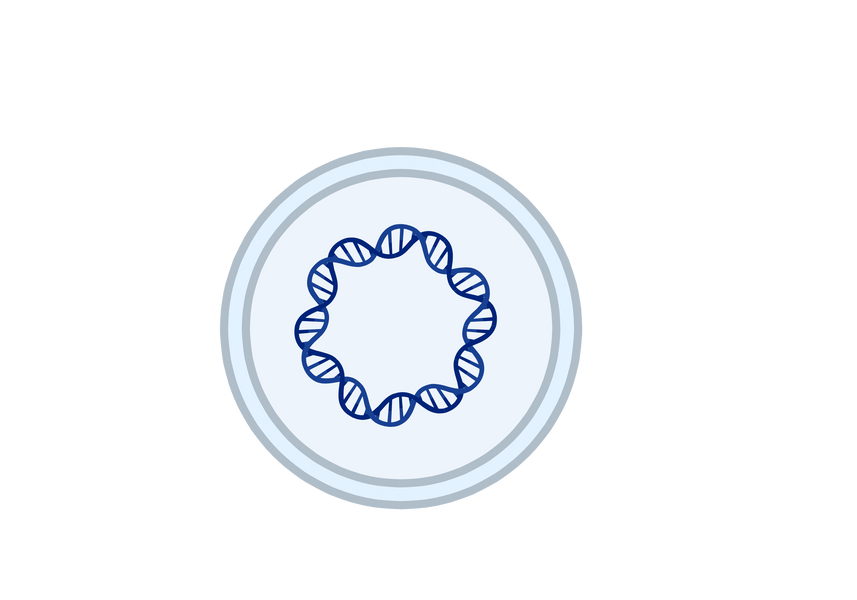
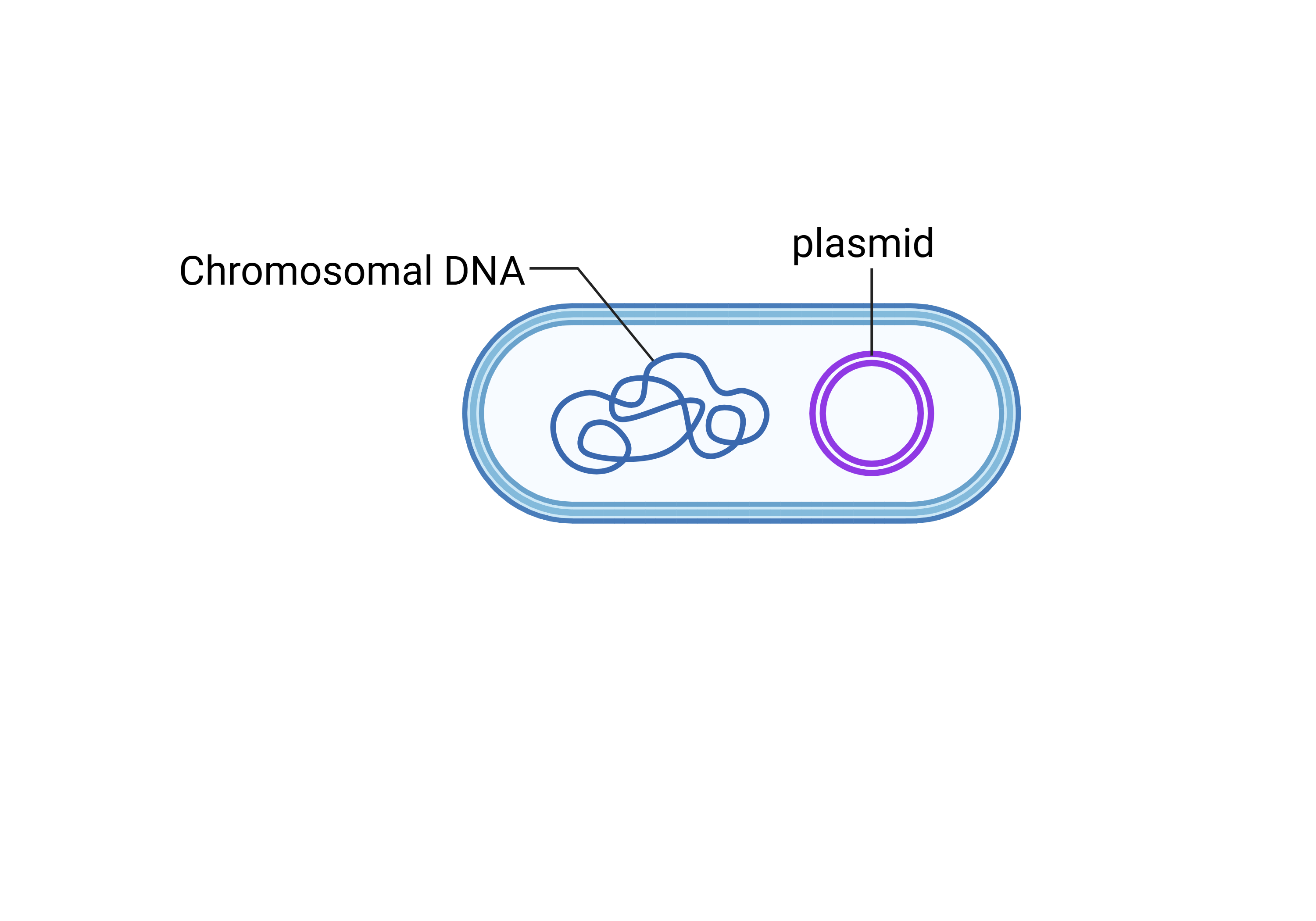
A plasmid is a small, circular, double-stranded DNA molecule that exists independently of the bacterial chromosome. Plasmids typically range in size from approximately 1 kb to more than 200 kb. They are naturally found in many bacterial species and replicate separately from chromosomal DNA, although they rely on host-cell enzymes and replication machinery.
In bacteria, plasmids often carry genes that provide a survival advantage. These may include genes responsible for:
-
Antibiotic resistance
-
Resistance to environmental toxins
-
Production of antimicrobial compounds
-
Virulence factors
Because of their independent replication and adaptability, plasmids are widely used as essential tools in molecular biology and biotechnology.
Structure of Plasmid DNA
A typical plasmid contains several key elements:
-
Origin of replication (Ori) – Allows independent replication within the host cell
-
Selectable marker gene – Commonly an antibiotic resistance gene used for selection
-
Multiple cloning site (MCS) – A short DNA sequence containing several restriction enzyme recognition sites
-
Promoter region – Enables gene expression in appropriate host systems
Plasmids can be engineered to carry a gene of interest, allowing researchers to produce proteins, study gene function, or modify cellular pathways.
Main Functions of Plasmid DNA in Biotechnology
Plasmids play a central role in genetic engineering and recombinant DNA technology. Purified plasmid DNA is widely used in downstream applications such as:
-
DNA sequencing
-
Polymerase chain reaction (PCR)
-
Gene cloning
-
Transfection into mammalian cells
-
Recombinant protein expression
-
Gene editing workflows
-
Gene therapy research
-
RNA therapeutic and vaccine development
How Recombinant Plasmids Are Created
To insert a foreign gene into a plasmid:
-
The plasmid DNA is cut at specific recognition sites using restriction endonucleases.
-
The DNA fragment of interest is inserted into the plasmid backbone.
-
DNA ligase joins the fragments to form a circular recombinant plasmid.
The recombinant plasmid is then introduced into bacterial cells through a process known as transformation.
Bacterial Transformation and Selection
After transformation:
-
Bacteria are grown on selective media containing an antibiotic.
-
Only cells that have successfully taken up the plasmid (carrying the resistance gene) survive.
-
Positive colonies are expanded in liquid culture.
-
Plasmid DNA is purified using appropriate plasmid isolation methods.
This process enables large-scale amplification of recombinant DNA.
Plasmid Copy Number and Replication Control
Plasmids differ significantly in their copy number per bacterial cell. Copy number depends mainly on:
-
The origin of replication
-
Regulatory control mechanisms (relaxed vs. stringent replication)
-
Plasmid size
-
Insert size
High-copy plasmids can reach hundreds of copies per cell, making them ideal for high-yield DNA production. Low-copy plasmids are often preferred for cloning unstable or toxic genes. Very large plasmids are typically maintained at very low copy numbers to preserve stability.
Common Laboratory Procedures Involving Plasmid DNA
Standard plasmid-related workflows include:
-
Preparation of competent bacterial cells
-
Heat-shock or electroporation transformation
-
Colony screening and verification
-
Plasmid miniprep, midiprep, or maxiprep purification
-
Endotoxin-free plasmid preparation for sensitive applications
Endotoxins, which originate from bacterial cell walls, must often be removed for applications involving mammalian cell transfection or in vivo experiments.
Applications of Plasmid DNA
Plasmid DNA technology supports a wide range of scientific and clinical fields, including:
-
Molecular cloning
-
Functional genomics
-
Synthetic biology
-
Vaccine research
-
Therapeutic protein production
-
CRISPR-based genome editing
Its flexibility, scalability, and efficiency make plasmid DNA one of the most important tools in modern biotechnology research.