
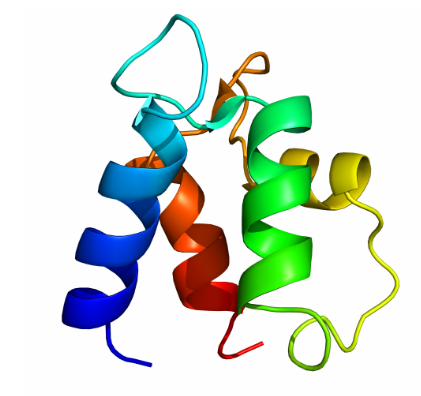
MMP1 – Catalytic Domain
30th Oct 2026
Recombinant Human Protein
MMP1 – Catalytic Domain
Human recombinant matrix metalloproteinase-1 catalytic domain for enzyme kinetics, substrate cleavage studies and inhibitor screening.

Product image
Product Information
Product: MMP1 – Catalytic Domain
Species: Human
Expression system: E. coli
Protein residues: 106–261
UniProtKB: P03956
Molecular weight: 17.6 kDa
EC number: 3.4.24.7
Purity: Greater than 95% by SDS-PAGE
Specific activity: Greater than 100 U/µg
Login to view pricing and availability
LOGIN FOR PRICE24/48H Stock Items & 2 to 6 Weeks non Stock Items.
Product Description
MMP1, also known as matrix metalloproteinase-1, fibroblast collagenase, collagenase-1 or interstitial collagenase, is an enzyme involved in the breakdown of extracellular matrix proteins. It belongs to the matrix metalloproteinase family, a group of zinc-dependent enzymes that participate in tissue remodeling and protein degradation.
This recombinant human MMP1 protein is cloned from human cDNA and expressed in Escherichia coli. It contains the catalytic domain corresponding to amino acid residues 106–261 of human MMP1 (UniProtKB accession P03956), with a calculated molecular weight of 17.6 kDa.
The purified catalytic domain is suitable for biochemical research, enzyme kinetics, substrate cleavage experiments and screening of potential MMP1 inhibitors.
Key Features
- Recombinant human MMP1 catalytic domain
- Expressed in E. coli
- Contains residues 106–261
- Greater than 95% purity by SDS-PAGE
- Specific activity greater than 100 U/µg
- Suitable for enzyme activity and inhibitor studies
- Supplied in a Tris-based buffer containing calcium and zinc salts
Research Applications
MMP1 catalytic domain can be used in several research applications, including:
- Enzyme kinetic studies
- Proteolytic cleavage of target substrates
- MMP1 inhibitor screening and characterization
- Matrix metalloproteinase activity research
- Studies of extracellular matrix remodeling
- Biochemical investigations related to cancer and tissue remodeling
Technical Specifications
| Protein name | MMP1 – Catalytic Domain |
| Organism | Human |
| Expression host | E. coli |
| Sequence region | Residues 106–261 |
| UniProtKB accession | P03956 |
| Calculated molecular weight | 17.6 kDa |
| EC number | 3.4.24.7 |
| Purity | >95% by SDS-PAGE |
| Specific activity | >100 U/µg |
| Storage temperature | -80°C |
Supplied Formulation
The protein is supplied as a 0.2 mg/mL solution containing:
- Tris: 20 mM, pH 7.2
- CaCl2: 10 mM
- ZnCl2: 0.1 mM
- NaCl: 0.3 M
- Acetohydroxamic acid (AHA): 0.2 M
Protein concentration is calculated from absorbance at 280 nm using an extinction coefficient of 28,420 M⁻¹cm⁻¹.
Enzymatic Activity
The specific activity is greater than 100 U/µg. One unit (U) is defined as 100 pmol of product formed per minute at 25°C, measured using a colorimetric assay.
The assay uses the thiopeptide substrate Ac-Pro-Leu-Gly-[2-mercapto-4-methyl-pentanoyl]-Leu-Gly-OC2H5 (Biomol).
Storage and Handling
- Store the product at -80°C.
- After the first thaw, divide the solution into individual aliquots.
- Refreeze aliquots at -80°C.
- Avoid repeated freeze-thaw cycles to help preserve protein quality and activity.
Related Research Fields
Cancer research: Breast cancer and lung cancer.
Dental research: Pulpitis.
Neurodegenerative diseases: Alzheimer's disease and multiple sclerosis.
Joint disorders: Osteoarthritis.
Renal pathologies: Chronic allograft nephropathy, diabetic nephropathy, glomerulosclerosis, tubulointerstitial fibrosis, polycystic kidney disease and renal cell carcinoma.
Scientific References
- Bertini, I. et al. (2005). Journal of Medicinal Chemistry, 48, 7544–7559. https://doi.org/10.1021/jm050574k
- McCawley, L. J. & Matrisian, L. M. (2001). Current Opinion in Cell Biology, 13, 534–540. View article
- Stetler-Stevenson, W. G. & Yu, A. E. (2001). Seminars in Cancer Biology, 11, 143–152. View article
Frequently Asked Questions
What is MMP1 catalytic domain?
It is the catalytic region of human matrix metalloproteinase-1, an enzyme involved in the degradation of extracellular matrix proteins.
What is the molecular weight of this recombinant MMP1 protein?
The calculated molecular weight is 17.6 kDa.
What are the main applications of MMP1 catalytic domain?
It is used for enzyme kinetic studies, target-substrate cleavage experiments and screening of MMP1 inhibitors.
How should this protein be stored?
Store at -80°C. After thawing, prepare individual aliquots and avoid repeated freeze-thaw cycles.
Order MMP1 – Catalytic Domain
Explore recombinant proteins and research tools for matrix metalloproteinase studies.
LOGIN FOR PRICE SEND REQUEST