
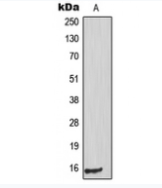
PIG11 Antibody
29th Oct 2026
PIG11 Antibody: Function, Biological Significance, and Research Applications
The PIG11 Antibody is a research reagent designed to recognize PIG11 protein, also known as tumor protein p53-inducible protein 11 (TP53I11). This protein is associated with cellular responses involving the tumor suppressor p53 and has been investigated for its potential role in apoptosis and the regulation of cell growth. Studying PIG11 can help researchers explore molecular pathways involved in cellular stress, programmed cell death, and cancer biology.
Product Overview
Product name: PIG11 Antibody
Catalog number: 0544-MBS5315340-01
Product size: 0.1 mL
Target: PIG11 / TP53I11 protein
Specificity: Recognizes endogenous levels of PIG11 protein.
Dry ice required: No
Hazardous: No
Storage: 4°C for short-term storage; aliquot and store at -20°C for long-term storage.
What Is PIG11?
PIG11, or p53-induced gene 11, is the alternative name for TP53I11, a protein-coding gene in humans located on chromosome 11p11.2. The gene is associated with the p53 signaling network, which helps cells respond to DNA damage and other forms of cellular stress. Research has investigated PIG11 in relation to apoptosis, changes in cellular proliferation, and tumor biology.
The biological activity of PIG11 is still an area of investigation. Understanding its expression and regulation may help researchers characterize cellular responses under different experimental conditions.
The Role of PIG11 in Apoptosis and p53 Signaling
The p53 protein is a major regulator of cellular stress responses. Depending on the type and severity of stress, p53 can influence DNA repair, cell-cycle progression, senescence, or programmed cell death. PIG11 has been studied as one of the genes responsive to p53-related signaling.
Experimental research has suggested that increased PIG11 expression may contribute to apoptosis in certain cellular models. These observations make PIG11 a useful target for investigating the molecular mechanisms that connect cellular stress, reactive oxygen species, and cell survival.
However, the effects of PIG11 may depend on the experimental model and biological context. Its expression alone should not be considered definitive evidence of apoptosis or cancer development.
Why Use a PIG11 Antibody?
Antibodies against PIG11 provide a means of investigating the presence of the target protein in biological samples. When combined with an appropriately validated detection method, an antibody can support studies of protein expression and help researchers compare experimental conditions.
Potential research areas include:
- Apoptosis research: Investigating PIG11 expression during programmed cell death.
- p53 signaling studies: Examining changes associated with cellular stress-response pathways.
- Cancer biology: Exploring the relationship between PIG11 expression, cell proliferation, and tumor-related mechanisms.
- Protein expression analysis: Comparing PIG11 abundance between experimental groups.
- Cellular stress research: Studying molecular changes following selected experimental treatments.
Experimental Considerations
Before using a PIG11 antibody in an experiment, researchers should consult the product datasheet to confirm the validated applications, recommended working dilution, species reactivity, and sample requirements. These details are important because antibody performance may vary according to the assay and sample preparation method.
Appropriate positive and negative controls should be included whenever possible. For quantitative comparisons, antibody-based results should be interpreted alongside suitable loading controls, independent biological measurements, or complementary methods.
Storage and Handling
Correct storage helps preserve antibody quality and supports consistent experimental results. According to the supplied product information, this PIG11 Antibody should be stored at 4°C for short-term use. For long-term storage, aliquot the material and store it at -20°C.
- Avoid repeated freeze-thaw cycles.
- Follow the manufacturer's instructions for handling and preparation.
- Confirm compatibility with the intended assay before use.
- Refer to the product datasheet for additional handling precautions and validated protocols.
Frequently Asked Questions
What does PIG11 stand for?
PIG11 stands for p53-induced gene 11. Its official human gene symbol is TP53I11, which encodes tumor protein p53-inducible protein 11.
What is the biological relevance of PIG11?
PIG11 has been investigated in relation to p53-associated cellular stress responses, apoptosis, and the regulation of cell proliferation.
Which applications are suitable for this antibody?
The appropriate applications depend on the manufacturer's validation data. Consult the product datasheet before selecting an assay such as Western blotting, immunohistochemistry, immunofluorescence, or ELISA.
How should the PIG11 Antibody be stored?
Store at 4°C for short-term use. For long-term storage, aliquot and store at -20°C, avoiding repeated freeze-thaw cycles.
Conclusion
The PIG11 Antibody offers a research tool for studying TP53I11 protein expression and investigating pathways associated with p53 signaling, apoptosis, and cellular stress. Careful assay selection, appropriate controls, and correct storage are essential for obtaining interpretable experimental results.
PIG11 Antibody — Product Information
CAT: 0544-MBS5315340-01
Size: 0.1 mL
Availability: 24/48H stock items; 2 to 6 weeks for non-stock items.
For research use. Verify the manufacturer's documentation for the intended application and product-specific limitations.
Scientific References
- A P53 target gene, PIG11, contributes to chemosensitivity of cells to arsenic trioxide. FEBS Letters. 2004;569(1–3):94–98. Read the publication.
- National Center for Biotechnology Information (NCBI). TP53I11, tumor protein p53-inducible protein 11. Gene database.
- UniProt. TP53I11 — Tumor protein p53-inducible protein 11, human. Protein database.