
Recombinant Protein Expression
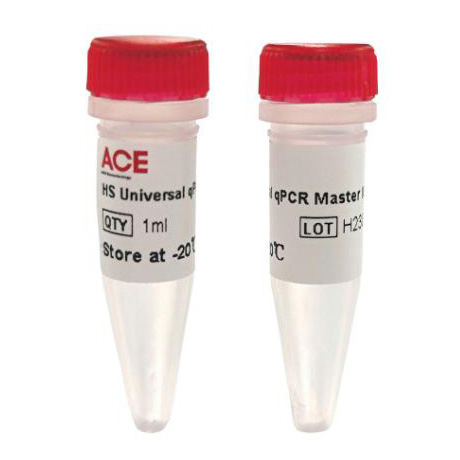
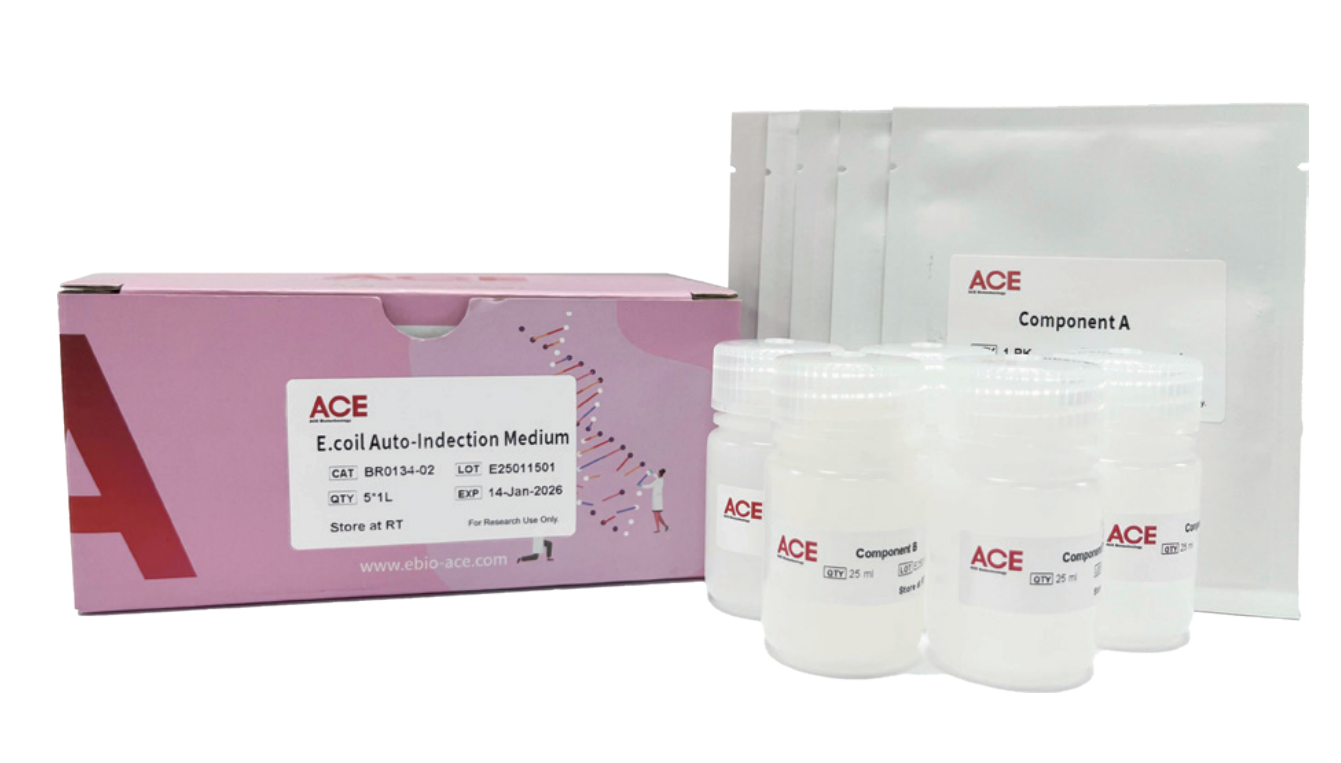
Recombinant proteins are important tools used in the study of biological processes, molecular mechanisms, biotechnology research, and pharmaceutical development. Protein expression systems enable researchers to produce specific proteins through engineered genetic constructs introduced into suitable host organisms. Commonly used expression systems include: The key steps of recombinant protein production include gene cloning, transfection, screening, and protein expression. Insertion of the target gene into an appropriate vector to create a recombinant DNA construct. Introduction of recombinant genetic material into host cells for protein production. Selection and identification of successful protein-producing clones. Optimization of culture conditions for efficient recombinant protein production. Gene vectors are essential tools for delivering target genes into cells. They allow the introduction and release of genetic material and, in some cases, enable integration into the host cell nucleus for expression of specific biological functions. Based on their applications, gene vectors are mainly classified into: The pSmart™ series of expression vectors is compatible with systems such as E. coli and yeast, allowing researchers to select the most suitable vector according to experimental requirements. To facilitate efficient molecular cloning workflows, a comprehensive selection of nucleic acid recovery kits is available, including: These solutions simplify experimental procedures and improve the efficiency of recombinant DNA construction. The DNA Assembly Cloning Kit enables directional cloning of inserted fragments into different vector sites using a seamless cloning method. The HS Universal qPCR Master Mix, ROX Plus is a SYBR Green I-based quantitative PCR master mix designed for accurate and reproducible DNA quantification. Figure 1. HS Universal qPCR Master Mix, ROX Plus for highly sensitive quantitative PCR applications. This formulation incorporates antibody-mediated Hot-Start DNA polymerase and an optimized reaction buffer system to improve amplification specificity through controlled thermal activation. Workflow: Simply add primers and template DNA to the master mix and perform standardized thermal cycling protocols for rapid quantitative PCR analysis. The DNA Assembly Cloning Kit is a rapid, simple, and efficient seamless cloning solution designed for directional insertion of DNA fragments into vectors. The kit allows researchers to linearize vectors using different methods and introduce vector-specific sequences into the 5′ ends of forward and reverse primers. For prokaryotic expression systems, exogenous gene expression typically requires induction. To simplify recombinant protein production workflows, ready-to-use culture media solutions are available. These culture media options reduce preparation steps and can be directly used during the induction stage without additional inducer preparation. For CHO mammalian expression systems, serum-free media and feed solutions are provided to support efficient eukaryotic protein production. Figure 2. Culture media suitable for recombinant protein expression in E. coli. Discover vectors, cloning kits, qPCR reagents, and culture media solutions designed for efficient recombinant protein production workflows.Recombinant Protein Expression
Recombinant Protein Expression Overview
Recombinant Protein Expression Workflow
1. Gene Cloning
2. Transfection
3. Screening
4. Expression
1. Vector
Advantages of pSmart™ Expression Vectors
2. Extraction and Amplification Kit
HS Universal qPCR Master Mix, ROX Plus
Key Performance Advantages
DNA Assembly Cloning Kit
Cloning Principle
Main Benefits
3. Culture Medium
Available Culture Media Systems
Ordering Information
Category
Product Name
Catalog Number
Specification
Characteristic
Vector
pSmart I
SLP023
100 ng/µl, 10 µl
SUMO Protein
Vector
pSmart II
SLP024
-
IF2 Protein
Vector
pSmart III
SLP025
-
Maltose-Binding Protein (MBP)
Vector
pSmart IV
SLP026
-
NusA Protein
Vector
pSmart V
SLP027
-
MsyB
Vector
pSmart VI
SLP028
-
Strep tag II
Vector
pSmart N 8His
SLP015
-
His (N-terminal)
Vector
pSmart C 8His
SLP014
-
His (C-terminal)
Reagent
DL5000 DNA Marker
BR0013-01
500 µl
Nucleic acid electrophoresis
Reagent
DL2000 DNA Marker
BR0012-01
500 µl
-
Reagent
4X LDS Loading Buffer
BR0010-01
1 mL × 10
-
Reagent
DNA Loading Dye
BR0010-02
500 mL
-
Reagent Kit
DNA Assembly Cloning Kit
BK0024-01
50 rxn
Molecular amplification
Reagent Kit
HS Universal qPCR Master Mix, ROX plus
BK0015-01
5 × 1 mL
Quantitative PCR
Reagent Kit
HS Universal qPCR Master Mix
BK0014-01
5 × 1 mL
Quantitative PCR
Culture Medium
Serum-Free Medium for CHO Cells
B25001
1 L
Eukaryotic expression system
Culture Medium
Serum-Free Medium Feed
B25002
1 L
-
Culture Medium
LB Culture Medium
BR0124-01
250 g
Prokaryotic expression system
Culture Medium
TB Culture Medium
BR0125-01
250 g
Prokaryotic expression system
Culture Medium
2×YT Culture Medium
BR0126-01
250 g
Prokaryotic expression system
Culture Medium
Autoinduction Medium for E. coli
BR0134-01
1 L
Inducer has been added
Culture Medium
Autoinduction Medium for E. coli
BR0134-02
5 × 1 L
Inducer has been added
Explore Recombinant Protein Expression Products